Hiring a Reliable Radon Contractor: What Homeowners in York County Need to Know
Radon is a serious concern for homeowners in Pennsylvania, especially in York County. The geology of this region places many homes in a radon risk zone, where elevated radon levels are more common than people realize. I have spent years working with homeowners who discovered their indoor air quality was compromised, and I have seen the difference between a rushed job and a proper mitigation system. The key is finding a reliable radon contractor who understands the local conditions and installs systems that actually work.
When you start looking for help with radon mitigation, you will come across plenty of options. Some contractors treat it as a side service. Others specialize in it, but not all of them do the job correctly. A reliable radon contractor does more than just install equipment. They assess your home, choose the right method, and ensure the system keeps radon levels low for years. Dan Jenkins, a name I have heard from many homeowners in York County, is known for taking that thorough approach. His work focuses on radon mitigation that matches the specific needs of each house.
Why Radon Testing Comes First
Before any mitigation work begins, you need accurate radon testing. This step is not optional. The EPA recommends testing every home, and in Pennsylvania, where the average radon levels are among the highest in the country, it is especially important. A short-term test with activated carbon can give you a quick reading, but I prefer a continuous radon monitor for a clearer picture of daily fluctuations. A reliable radon contractor will insist on proper testing before they design a system. Without it, you are guessing at the problem, and guessing can lead to wasted money and ongoing exposure.
Homeowners often ask me if they should test before a home inspection or wait until after they move in. My advice is to test as soon as possible. If you are buying a home in York County, include radon testing in your home inspection contingency. That way, you know what you are dealing with before you close. If levels are high, a reliable radon contractor can provide a quote and install a system before you even move your furniture in.
Understanding Sub-Slab Depressurization
The most common and effective radon mitigation method is sub-slab depressurization. It works by creating a vacuum under your concrete slab, drawing radon gas away from your foundation and venting it safely outside. The system includes a radon fan, PVC piping, and a manometer to monitor performance. A well-installed system should be quiet, unobtrusive, and require very little maintenance. I have seen systems that were installed incorrectly, with the fan placed in the attic instead of outside, or with poor sealing around the pipes. Those mistakes reduce effectiveness and can even draw conditioned air out of your home.
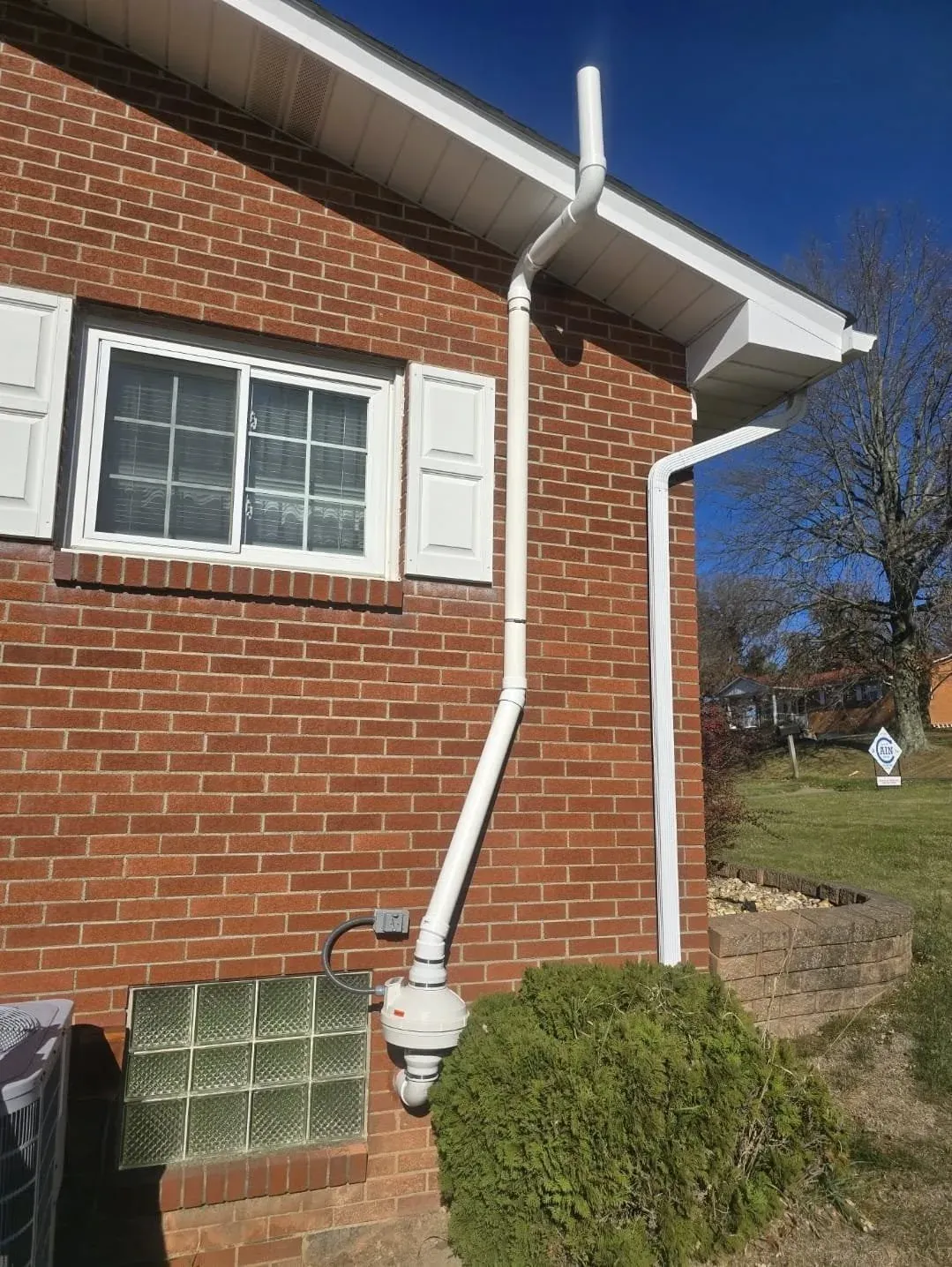
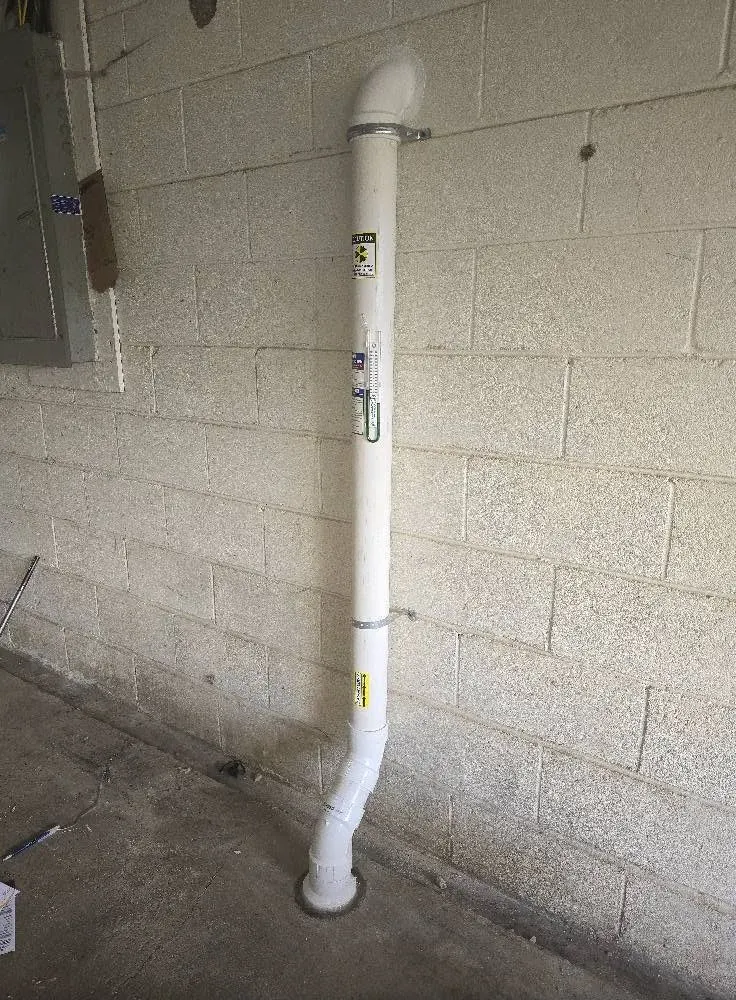
A reliable radon contractor will run the PVC piping through the basement or crawl space, seal every joint with radon sealant, and install the fan on the exterior of the house. The manometer, a simple U-tube gauge, should be visible so you can check at a glance that the system is working. If the liquid in the manometer is level, the system has lost suction and needs repair. That simple check gives you peace of mind.
Additional Measures for Tough Cases
Not every home responds to sub-slab depressurization alone. Some houses have sump pump installations that create pathways for radon. Others have extensive cracks in the foundation or slab. In those situations, crack repair with a high-quality radon sealant is necessary. You might also need to improve basement ventilation, especially if the space is finished and tightly sealed. A good contractor will evaluate these factors and suggest a combination of techniques rather than a one-size-fits-all solution.
I recall working with a family in southern York County whose home had a sump pit that was pulling radon directly into the basement. The previous contractor had simply sealed the pit cover, but the radon levels stayed high. The fix required proper sump pump installation with a sealed lid and a vent pipe connected to the depressurization system. That kind of detail makes the difference between a system that works on paper and one that works in real life. A reliable radon contractor will not skip those steps.
Key Considerations When Choosing a Contractor
Finding a reliable radon contractor is not just about who answers the phone first. Here are a few things to keep in mind:
- Check their experience specifically with radon mitigation, not just general home improvements. Radon work requires knowledge of airflow, pressure differentials, and local soil conditions.
- Ask about their testing procedures. Do they use a continuous radon monitor or only short-term tests? Do they test after installation to confirm the system is working?
- Look for transparency in pricing. A reliable radon contractor should provide a clear estimate that includes the fan, piping, sealing materials, and labor. No hidden fees.
- Verify that they follow EPA recommendations and local building codes. In Pennsylvania, some municipalities have specific requirements for radon venting.
- Read reviews or ask for references from homeowners in your area. A contractor with a strong local reputation, like Dan Jenkins, is likely to stand behind their work.
The Role of Continuous Monitoring
After mitigation, it is wise to keep an eye on radon levels over time. A continuous radon monitor can log hourly readings and alert you if levels rise again. I recommend one to every homeowner, especially those who live in a radon risk zone. Systems can fail, fans can wear out, and new cracks can develop in the foundation. A monitor gives you real-time data so you are not caught off guard. Some homeowners set it up in the basement and check it weekly. Others use a smart monitor that sends alerts to their phone. Either way, it is a small investment for long-term safety.
One homeowner I know in York County installed a continuous radon monitor after his mitigation was complete. A year later, the monitor showed a gradual increase in radon levels. He called the contractor, who found that the radon fan had lost efficiency due to debris. The fix was simple, but without the monitor, he might have lived with elevated levels for months before noticing. That is the kind of proactive approach that a reliable radon contractor supports.
Myths and Misunderstandings
I often hear people say that radon is only a problem in old homes or that opening windows solves it. Neither is true. Radon can enter any home, regardless of age, through cracks in the foundation, gaps around pipes, or even through well water. While basement ventilation can help dilute radon levels temporarily, it is not a reliable solution. The only way to consistently reduce radon levels is to stop it at the source. That is where professional mitigation comes in.
Another common misconception is that radon testing once is enough. Radon levels can change with the seasons, after renovations, or if the soil shifts. The EPA recommends testing every two years, and more often if you make structural changes to your home. A reliable radon contractor will tell you that upfront, not try to upsell you on unnecessary services.
Final Thoughts on Making the Right Choice
Radon is a serious health risk, but it is also a manageable one. With proper testing and a well-designed mitigation system, you can protect your family and improve your indoor air quality. The challenge is finding someone who knows what they are doing. A reliable radon contractor will take the time to understand your home, use quality materials, and follow up after the installation. In York County, Pennsylvania, where radon levels are consistently above the EPA action level, that kind of expertise matters.
Whether you are dealing with a newly discovered problem or upgrading an old system, do not settle for a quick fix. Look for a contractor who treats radon mitigation as a specialty, not an afterthought. Dan Jenkins and others like him have built their reputation on doing the job right the first time. That is the kind of reliability that gives you real peace of mind.